
Brennan DuBose Is Reviving Lincoln Motion, America's First Black-Owned Film Production Company
By Pharoh Martin·
3 min read
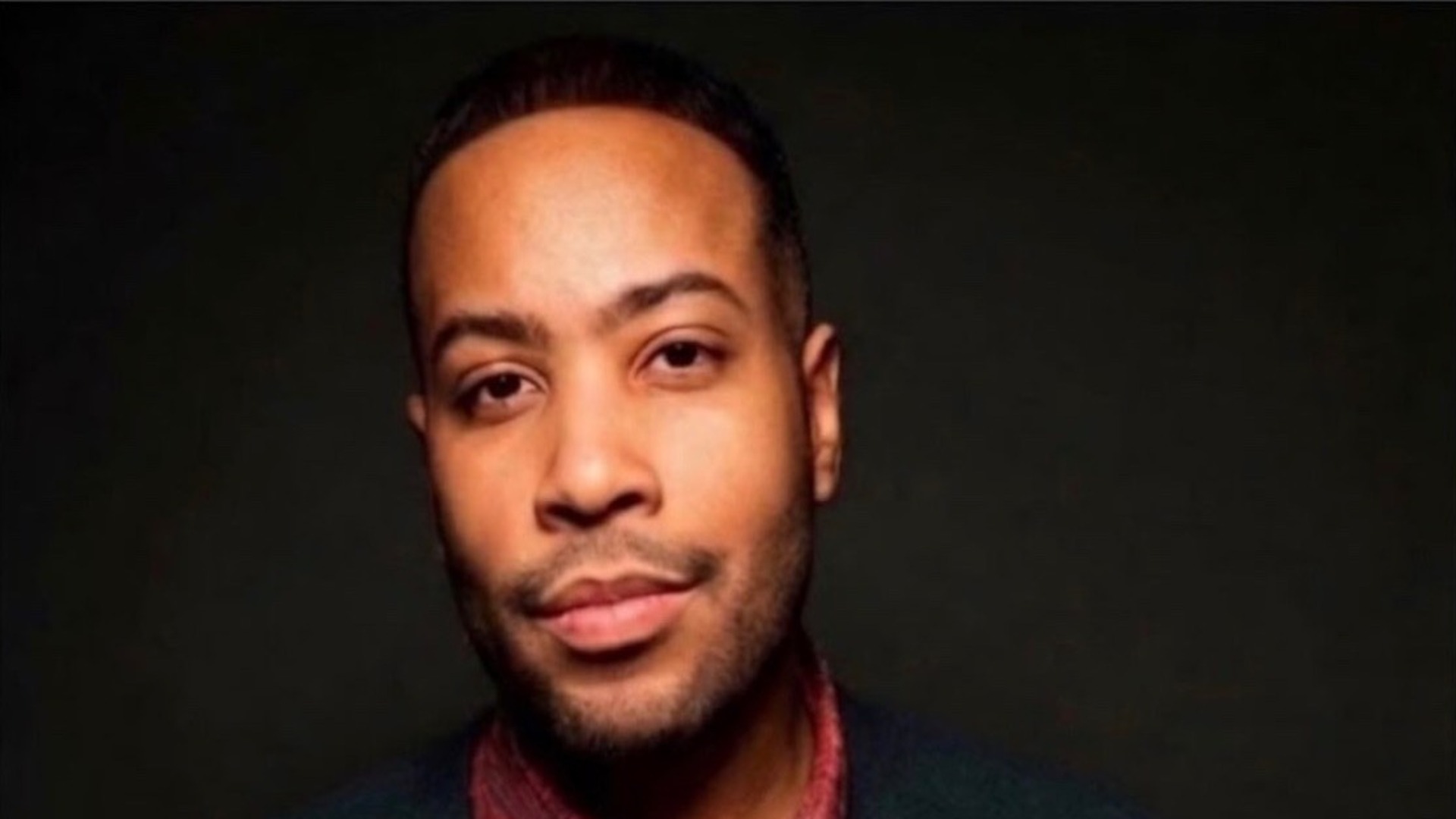
More than a century after it was founded, America's first Black-owned film production company is being brought back to life.
Director, writer, and producer Brennan DuBose is reviving the Lincoln Motion Picture Company as Lincoln Motion, as reported by The Root on October 28, 2026. His plan is to carry forward the company's original mission: showing the full range of Black life on screen, with the depth and dignity the founders insisted on in 1916.
Why Lincoln Motion mattered in 1916
The company started as an answer to a film.
"The Birth of a Nation" was a box office hit in 1915. It also portrayed Black men as violent, glorified the Ku Klux Klan, and sparked fierce backlash and nationwide protests. It made clear what was at stake when Black people had no control over their own representation on screen.
The following year, brothers Noble Johnson and George P. Johnson founded the Lincoln Motion Picture Company, in Omaha before it moved to Los Angeles. It was the first film company owned and controlled by Black filmmakers, and, as DuBose notes, the first independent film production company in America. Noble Johnson was president, Clarence A. Brooks was secretary, and Dr. James T. Smith was treasurer.
They had no prior film experience. What they had was a point of view. Lincoln made five films, including "The Realization of a Negro's Ambition" (1916), "The Trooper of Troop K" (1917), "The Law of Nature," and its last production, "By Right of Birth" (1921), a direct response to "The Birth of a Nation." The films showed Black people as heroic, in love, and living full lives, at a time when Hollywood mostly offered stereotypes.
Production costs and limited sales ended the run. The company was defunct by about 1921. Its influence was not. It proved Black filmmakers could own the company, control the stories, and distribute to Black audiences, and it opened the road later race film makers would travel.
The revival: research lab meets film studio
DuBose, a Howard University graduate originally from Prince George's County, Maryland, came to Lincoln through research. After living in New York for more than a decade and making short projects, including "Death to A Creative" (2024) and "Happy" (2025), he studied who had built successful film production companies, and landed on Lincoln.
His version is not a tribute act. He describes Lincoln Motion as innovative, built on both research and film.
"We believe in accuracy. We believe in the partnership of research and film. Many people on my team are PhDs. We're partnering with academic institutions across the United States," DuBose told The Root. In earlier coverage he has described the company as 50% research lab and 50% film production company, using qualitative and quantitative research, and new tools including artificial intelligence, to shape its storytelling.
"We all have a range of who we are. The opportunity of film is to showcase that full range," he said. "Especially in today's society, people not only want to see themselves, but they want to see the versatility in Black experiences."
The work is already moving. Lincoln Motion's first short film, "The Barber," is set to premiere at the Black Harvest Film Festival in Chicago, as reported by The Root. Three additional short films are in production, with plans for the film festival circuit in 2027, and DuBose has said he is finishing his first feature.
The founder lesson in a 110-year-old company
Strip away the century, and this is a founder story Blk Founders readers know well. Own the production company, not just a seat in someone else's. Build for an audience the incumbents ignore or insult. Use the tools of your moment, in 1916 that was a new medium itself, in 2026 it is research, data, and AI, to tell stories the market says cannot work.
The Johnson brothers did it first, with no experience, no steady income from the work, and a five film run that still gets studied today. DuBose is betting that the name, the mission, and the model are worth building on for a new generation.
"I just think that it's a blessing to be able to do this," DuBose told The Root. "This is truly a blessing. I'm just grateful."
The takeaway: Black cinema has an origin story that is also a business story. Lincoln Motion was owned, independent, and mission first in 1916. Its revival is a reminder that the playbook, own the company and control the narrative, has been there from the start.
Sources
- The Root, Asheea Smith, October 28, 2026, "How America's First Black-Owned Film Production Company Is Ushering in a New Era of Cinema"
- BlackPast.org, "Lincoln Motion Picture Company"
- African American Registry, "The Lincoln Motion Picture Company is Formed," May 24, 1916
- Duke University Libraries, "Lincoln Motion Picture Company," From Blackface to Blaxploitation exhibit
- Unmuted Nation, "How Brennan DuBose is bringing America's first Black-owned film company back to life"
Related Coverage
 Founder Stories
Funmi Monet Turned $225,000 in Savings Into a Sephora Fragrance Brand
By Pharoh Martin·
 Startups
Martha Underwood Built Prismm to Keep Family Wealth From Walking Out of the Bank
By Pharoh Martin·
 Startups
Kofi Asante Is the First Black Founder of a Nuclear Energy Company in the U.S., and He Has Raised $60M to Put Reactors on Barges
By Pharoh Martin·
The Newsletter
The week in Black entrepreneurship, in one email.
News, data, and playbooks. Free, weekly, no noise.